What makes a home feel calm often has less to do with style or size and more to do with how a space supports everyday life, rest, and emotional comfort.
Some homes feel calm the moment you step inside. Not styled or impressive—just quietly comfortable. Others may be beautifully decorated yet somehow restless. The difference rarely comes down to square footage, budget, or trends. It’s about how a space supports the way you move, rest, and live each day.
A calm home isn’t created through one big decision. It’s shaped by small, thoughtful choices that work together over time.
Why Calm at Home Matters More During Unsettled Times
When life feels uncertain or emotionally demanding, the home often becomes the place where that pressure settles. News cycles, work stress, social noise, and constant decision-making follow us inside unless the space itself offers resistance. A calm home doesn’t remove external stress, but it changes how much of it we carry.
Homes that feel calm provide emotional buffering. They give the nervous system fewer signals to process, allowing the body to downshift more easily. This isn’t about escaping reality or creating a perfectly controlled environment. It’s about creating a space that doesn’t add to the noise.
Small environmental cues—soft light at night, familiar textures, predictable layouts—send subtle signals of safety. Over time, these signals accumulate. You may not consciously notice them, but your body responds. Shoulders lower. Breathing slows. Thoughts soften.
This is why calm at home matters most when life outside isn’t calm. A supportive space doesn’t demand that you feel peaceful before you enter. It meets you where you are.
In this sense, calm design is not decorative—it’s functional. It supports recovery, reflection, and emotional regulation. When a home allows you to rest without effort, it becomes more than a backdrop. It becomes an active participant in daily well-being.
Understanding what makes a home feel calm helps shift design decisions away from surface-level style and toward long-term emotional comfort. Instead of asking what looks impressive, the question becomes: What helps me feel steadier here?
What makes a home feel calm is not a single design choice, a perfect layout, or a specific style. Calm comes from how a space supports you when life feels busy, noisy, or emotionally full.
A calm home doesn’t rely on trends or strict rules. It isn’t about perfection or minimalism. Instead, it’s created through light, color, rhythm, and small decisions that quietly reduce friction in daily life.
When a home feels calm, it becomes a place to land—not another thing asking for attention.
What Makes a Home Feel Calm Is Rhythm, Not Perfection
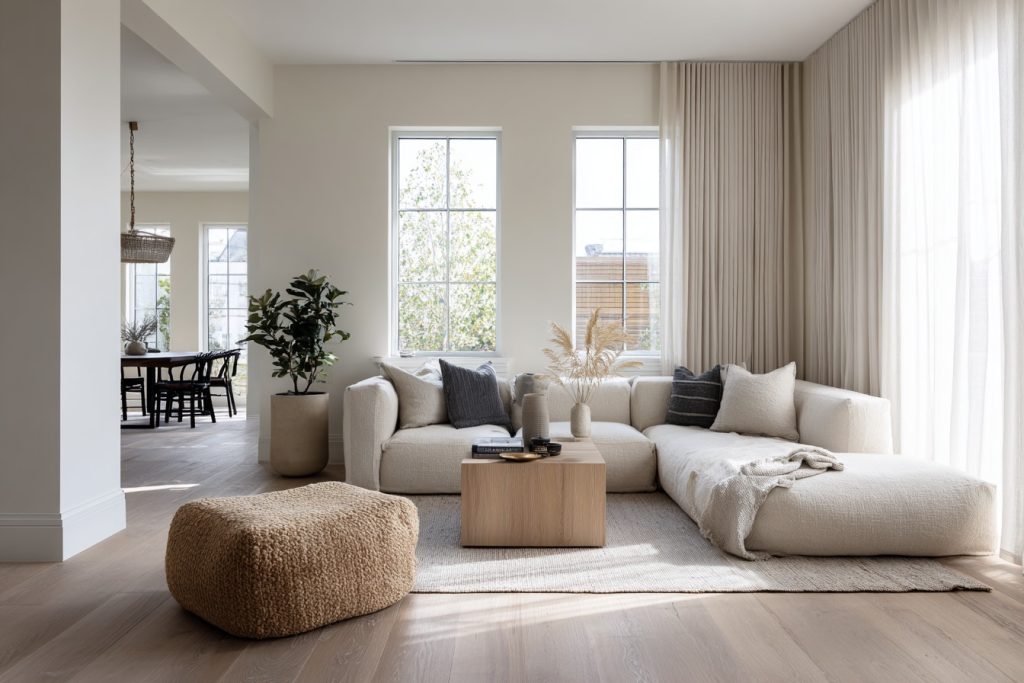
Calm interiors often share one thing: visual rhythm. This doesn’t mean symmetry or strict order. It means the eye isn’t constantly interrupted.
Repeated materials, consistent tones, and intentional spacing allow the mind to settle. When every surface competes for attention, the space feels noisy—even if it’s tidy. Calm emerges when there is room to pause.
Instead of aiming for perfection, focus on flow. Notice how your eye moves across a room. Are there places to rest, or does everything demand focus at once? Removing just one unnecessary element can change how the whole space feels.
Light as Atmosphere, Not Brightness
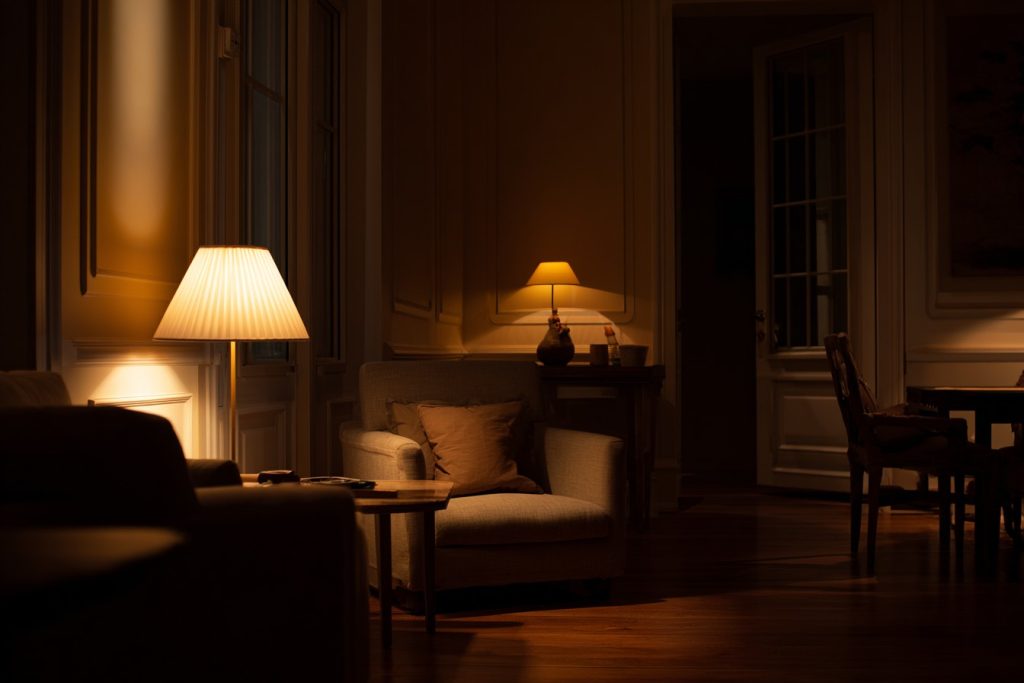
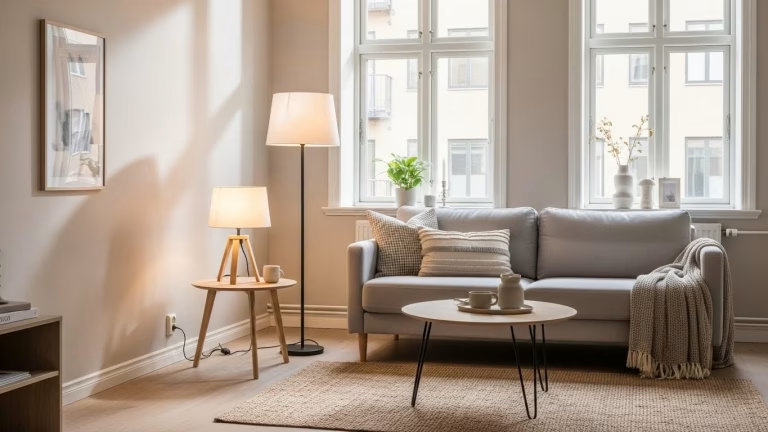
Lighting plays a powerful role in how calm a home feels, but not in the way people often think. Calm isn’t about making a room brighter—it’s about making it gentler.
Soft transitions between light and shadow help signal safety and rest. Warm light in the evening supports winding down, while natural light during the day helps regulate energy and focus. A home that respects the rhythm of the day tends to feel more balanced.
If you’re looking for practical and budget-friendly ways to improve lighting, this guide on affordable lighting ideas explores simple options that work in real homes. Once the basics are in place, atmosphere becomes the focus. Over time, noticing what makes a home feel calm allows us to make more confident and intentional design decisions.
Studies have found that both lighting levels and color in interior environments can significantly affect mood, with overly bright or poorly balanced lighting reducing comfort and emotional well-being.
If you’re looking for practical and budget-friendly ways to improve lighting, this guide on affordable lighting ideas explores simple options that work well in everyday homes.
Color as an Emotional Background
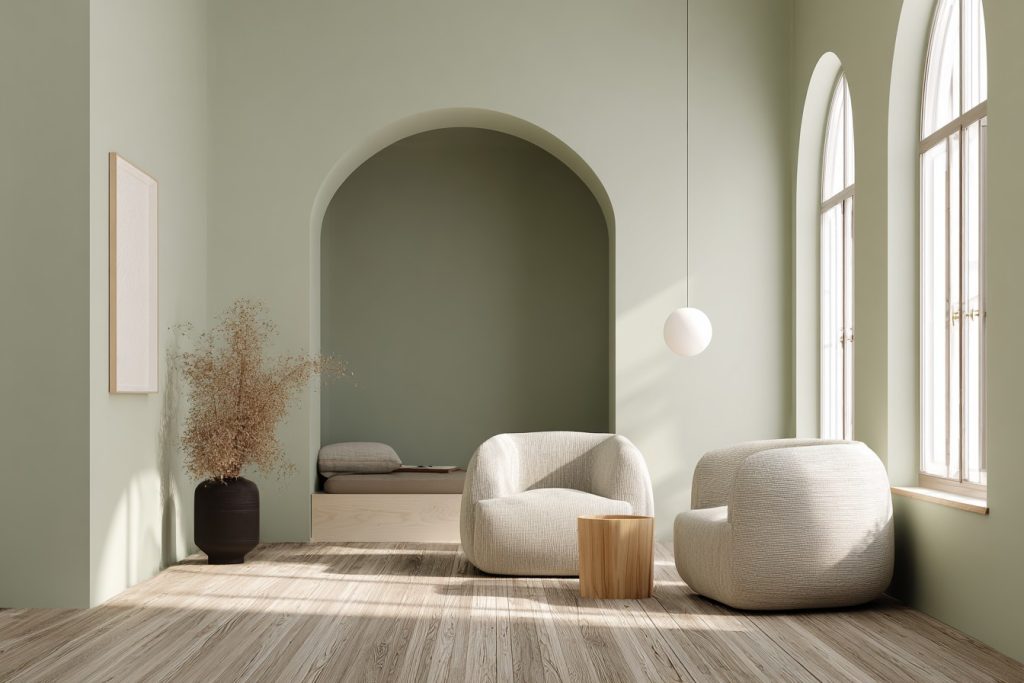
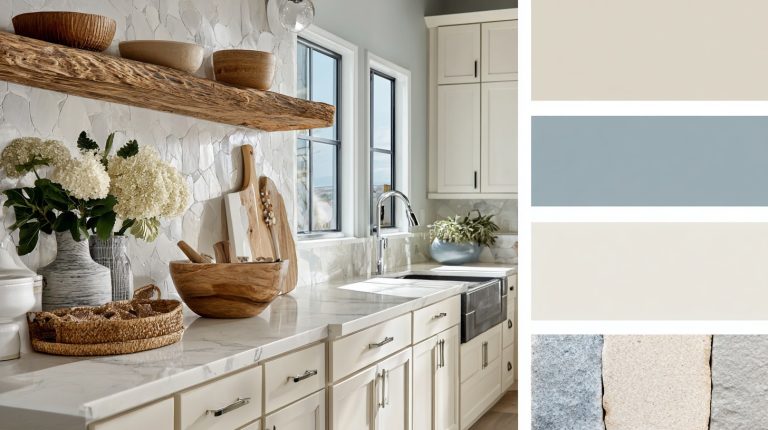
Color quietly influences how we feel in a space, even when we’re not consciously aware of it. Calm homes often use color as a background rather than a focal point. For a deeper look at how color affects emotion and atmosphere, this post on how paint colors shape the mood of a room explains the psychology behind these choices.
Muted tones, layered neutrals, and soft contrasts allow emotions to settle instead of spike. This doesn’t mean avoiding color altogether. It means choosing hues that support the mood you want to live with long-term.
Research shows that cool colors such as blue and green are commonly associated with feelings of calmness and relaxation, while warmer colors tend to feel more stimulating, demonstrating how interior color choices influence emotional responses.
If you’re interested in how color affects emotion and behavior, this post on how paint colors shape the mood of a room explores the psychology behind these choices in more depth.
Material, Texture, and the Sense of Touch
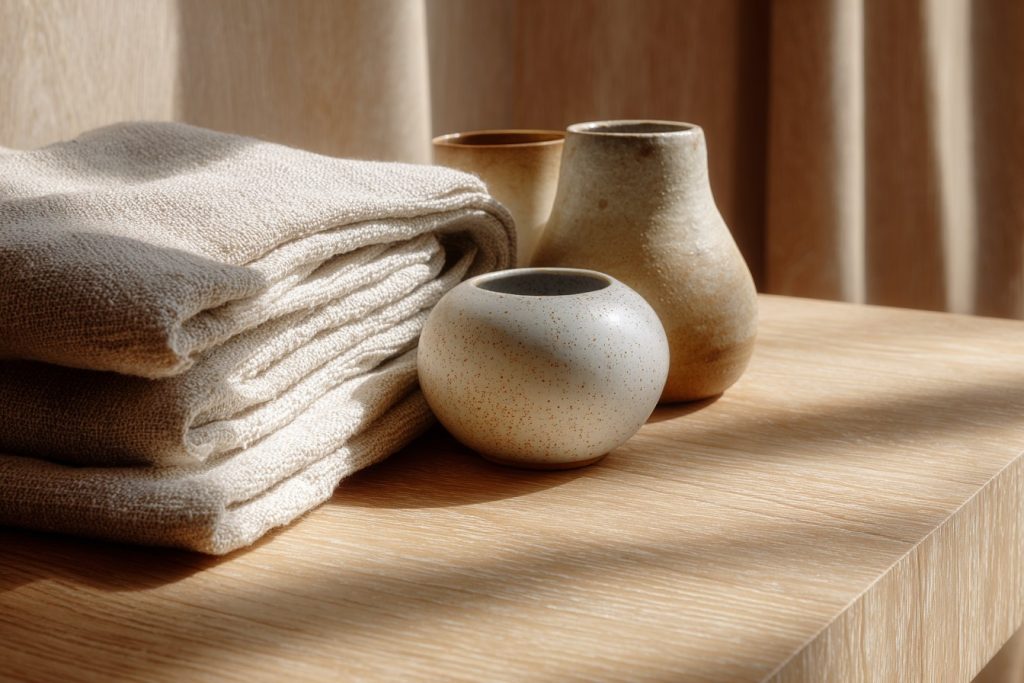
Calm isn’t only visual—it’s physical. The textures we touch every day influence how grounded we feel in our homes.
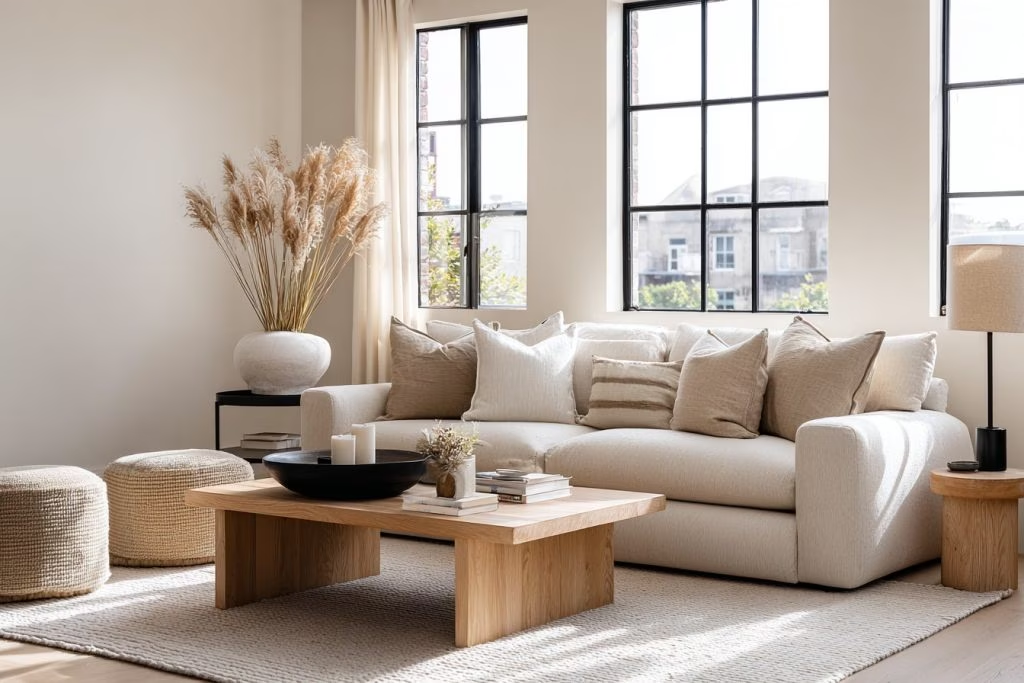
Natural materials like wood, linen, stone, and ceramic tend to age gently and feel familiar to the body. They absorb light instead of reflecting it harshly, and they bring subtle variation without visual clutter.
Mixing textures thoughtfully adds depth without chaos. A smooth tabletop paired with a woven runner, or crisp cotton sheets layered with a soft throw, creates comfort that feels lived-in rather than styled. Choosing materials that age well can also support a calmer home, and this guide on decor that ages well explores how thoughtful design decisions create long-term comfort.
Everyday Order and Mental Space
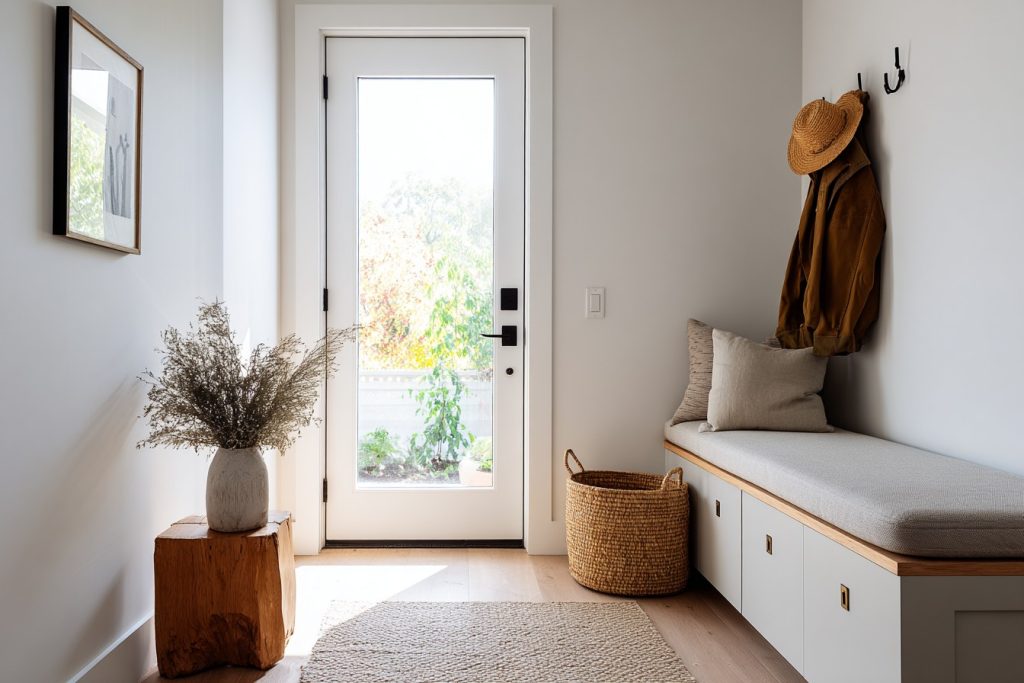
A calm home supports mental clarity by reducing decision fatigue. This doesn’t require minimalism, but it does benefit from intentional placement.
Frequently used items should be easy to reach. Surfaces should have space to breathe. When everything has a place—even a flexible one—the home feels more cooperative.
Clutter isn’t only about objects; it’s about unresolved decisions. Letting go of what no longer fits your routines creates quiet, even if the room looks largely the same afterward. Understanding what makes a home feel calm allows us to design spaces that feel supportive rather than demanding.
A Calm Home Supports How You Actually Live
The most peaceful homes are designed around real habits, not ideal ones. Morning light near where you sit with coffee. A soft landing place for keys and bags. Clear space where your eyes land first when you enter a room.
Calm comes from alignment—when the home works with your natural rhythms instead of against them. This alignment builds trust between you and your space, making it easier to rest, focus, and reset.
When we think about what makes a home feel calm, we often focus on individual elements like color or lighting, but calm is usually the result of how these choices work together. Understanding what makes a home feel calm helps us design spaces that feel supportive, familiar, and easy to live in over time.
Calm Is Cumulative
No single design choice creates calm on its own. It’s the accumulation of small decisions—light, color, texture, rhythm—that shape how a home feels over time.
You don’t need to redesign everything at once. Notice what already feels good, and build from there. Calm isn’t a look to copy; it’s a feeling to protect. When we step back and consider what makes a home feel calm, the answer is rarely found in trends or purchases, but in small, intentional choices repeated over time.
A thoughtful home doesn’t shout. It listens.