The Quiet Confidence of Decor That Ages Well
Trends move quickly, but the most meaningful homes are built slowly. Decor that ages well doesn’t rely on bold statements, viral aesthetics, or fleeting styles. Instead, it is made of objects that feel calm, intentional, and grounded—pieces that grow more beautiful as the years pass.
In a world of fast interiors and constant visual noise, choosing timeless home decor is a quiet act of resistance. It allows a home to evolve naturally, without the pressure to constantly update, replace, or perform. These are the kinds of spaces that feel settled rather than styled, lived-in rather than staged.
Decor that doesn’t shout doesn’t ask to be noticed immediately. It reveals itself slowly, through texture, light, and daily rituals. And over time, it becomes inseparable from the feeling of home. Color plays a subtle but powerful role in decor that ages well, especially when used intentionally, as explored in the quiet power of paint colors and how it shales the mood of a room.
What Does “Decor That Doesn’t Shout” Really Mean?
Decor that ages well is often misunderstood as being plain or minimal. In reality, it is deeply intentional.
Rather than chasing attention, it prioritizes balance and presence. These objects don’t dominate a room; they hold it together.
Decor that doesn’t shout typically:
- Respects negative space
- Relies on material and proportion rather than novelty
- Feels considered instead of impulsive
- Becomes familiar rather than outdated
At its core, timeless home decor supports daily life. It allows furniture, objects, and architecture to coexist quietly, without competition.
1. Prioritize Materials That Improve With Time
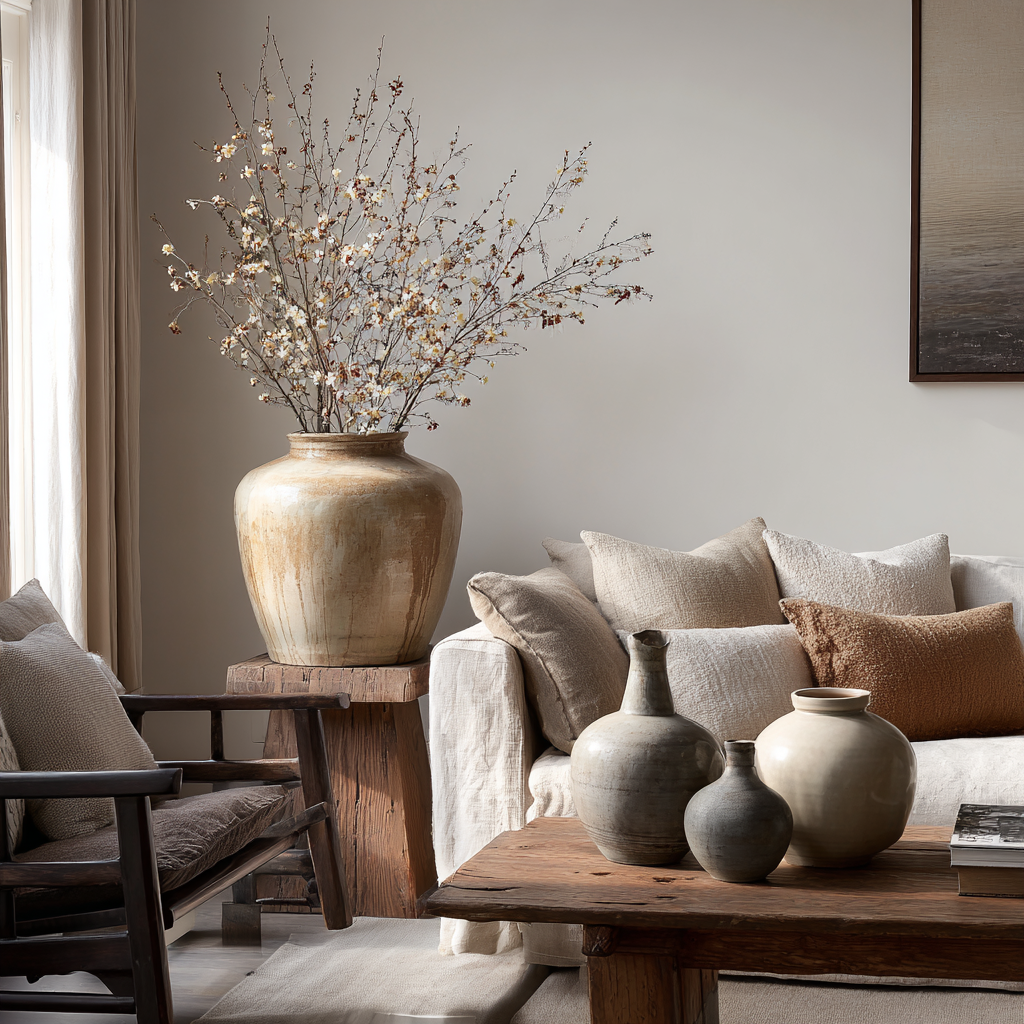
Material choice is one of the most important foundations of decor that ages well. Some materials gain depth, warmth, and character through use, while others simply deteriorate.
Materials that age beautifully include:
- Solid wood such as oak, walnut, or ash
- Natural stone like marble, limestone, or soapstone
- Linen, cotton, and wool textiles
- Leather that softens and darkens with wear
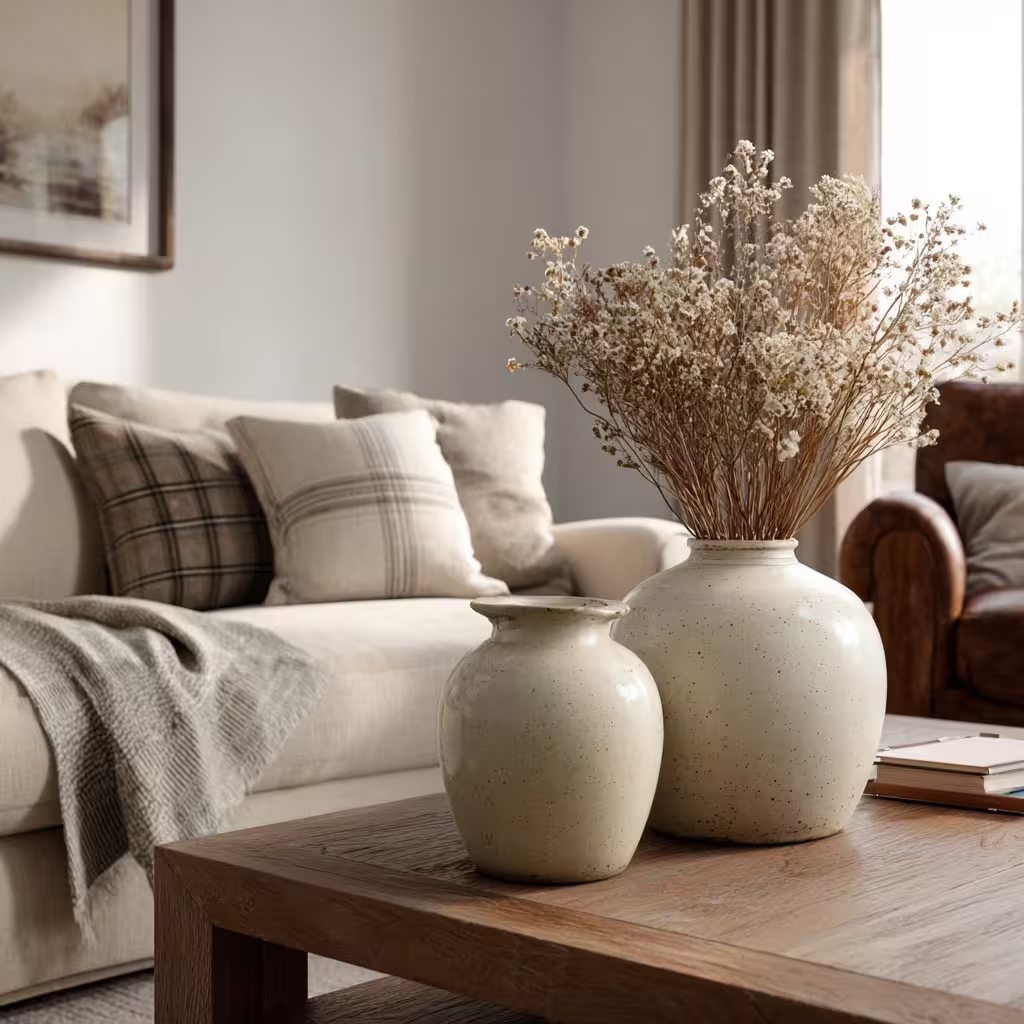
- Unglazed or lightly glazed ceramics
These materials develop patina—subtle changes that reflect time and touch. Scratches, fading, and wear become part of the object’s story rather than a flaw.
Many Traditional ceramic forms have endured for centuries, as seen in museum collections dedicated to traditional ceramic forms.
In contrast, highly synthetic finishes or imitation materials often age poorly. They are designed to look new rather than to live well. Choosing honest materials is one of the clearest paths to decor that ages well.
2. Choose Forms That Have Already Endured
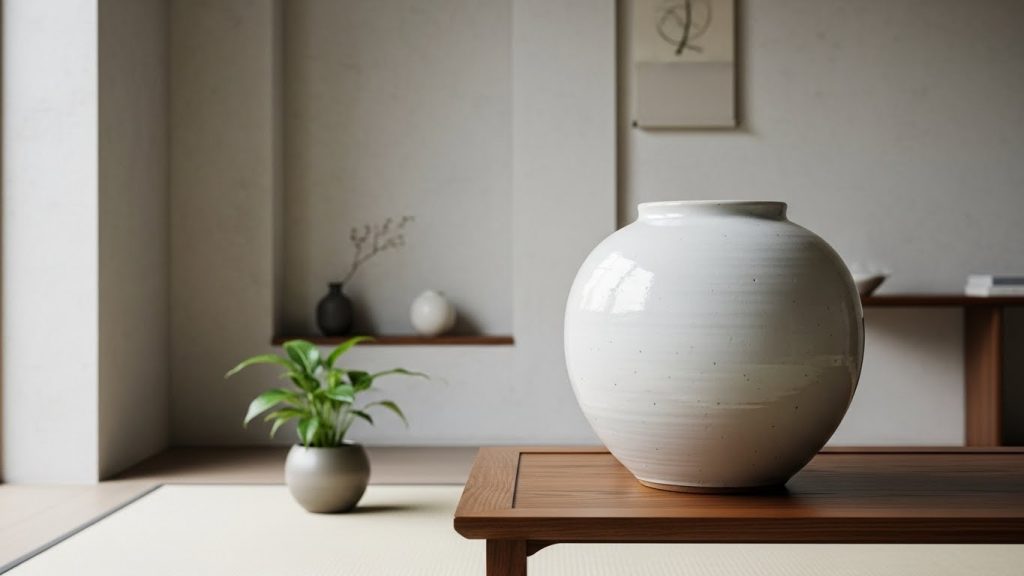
Materials That Age Well in a Home
- Solid Wood (Oak, Walnut) – gains character, repairable, visually forgiving
- Natural Fibers (Wool, Linen) – soften with use, breathable, tactile
- Brass & Aged Metals – develop patina, not damage
- Stone & Ceramic – weight, permanence, honest wear
When considering a decorative object, it’s helpful to step back and look at its form.
A simple question can be revealing:
Has this shape existed for decades—or centuries?
Many forms that feel timeless today have long histories. Rounded ceramic vases, straight-backed wooden chairs, and simple bowl or tray silhouettes appear across cultures and eras.
Decor that ages well often relies on these familiar forms because they feel intuitive. They don’t demand explanation or context. Instead, they quietly belong. Homes built with decor that ages well are often shaped by objects that feel calm and intentional rather than decorative excess.
By choosing shapes that have already endured, you naturally move closer to timeless home decor—objects that feel relevant regardless of trend cycles. This approach reflects the philosophy behind quiet, intentional living that shapes how we think about space, objects, and daily rituals in the home.
3. Let Color Be Subtle, Not Silent

Color plays a significant role in decor that ages well, but it rarely needs to be loud.
Colors drawn from nature tend to feel stable and grounding over time:
- Warm whites and soft creams
- Clay, sand, and stone tones
- Muted greens inspired by foliage
- Faded blues reminiscent of sky or water
- Natural wood finishes
Rather than relying on high-contrast palettes, layering gentle variations of similar tones creates depth without visual tension. This approach allows a space to adapt easily as light changes or as new objects are introduced.
Subtle color choices are a hallmark of timeless home decor, offering longevity without monotony.
Choosing decor that ages well also supports a calm home environment, as explored in what makes a home feel calm and why quiet design choices matter over time.
4. Buy Fewer Objects, Give Them More Meaning
One of the most overlooked principles of decor that ages well is restraint.
Instead of filling shelves or surfaces quickly, consider the weight each object carries. A single well-chosen piece often has more presence than a collection of decorative fillers.
Before bringing something home, ask:
- Would I still appreciate this in a different space?
- Does it serve a purpose or carry emotional value?
- Would I genuinely miss it if it were gone?
Decor that ages well earns its place through use, memory, or quiet beauty. This approach naturally leads to timeless home decor that feels personal rather than curated.
A slow living approach to interiors emphasizes restraint, longevity, and meaningful choices over constant visual stimulation.
5. Be Mindful of Built-In Trend Markers
Some design elements announce their era loudly. Ultra-specific color trends, novelty shapes, or slogan-based decor can quickly date a space.
This doesn’t mean avoiding trends entirely. Instead, it means placing them thoughtfully. The appreciation of imperfection aligns closely with the wabi-sabi philosophy, which values transience, texture, and quiet beauty.
Decor that ages well tends to reserve trends for elements that are easy to change—such as cushions, throws, or small accessories—while keeping foundational pieces neutral and enduring.
By separating long-term choices from short-term expressions, you protect the longevity of your home.
6. Embrace Imperfection, Craft, and the Human Hand
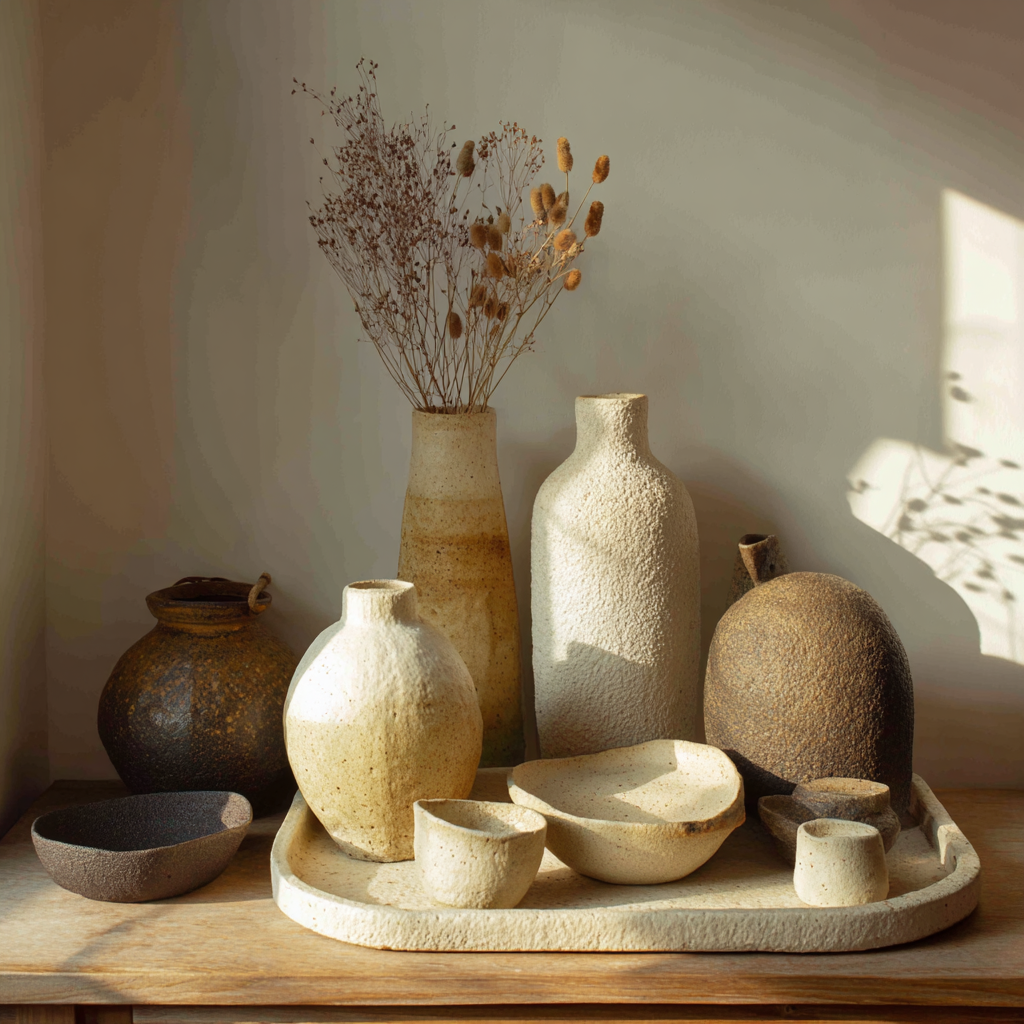
Handmade objects rarely shout. They speak quietly through detail and texture.
Subtle asymmetry, visible brush strokes, and uneven glazing introduce warmth and depth. These imperfections make an object feel human—and humanity rarely goes out of style.
Look for:
- Studio pottery and handmade ceramics
- Handwoven or naturally dyed textiles
- Artisan-made or vintage objects
Craft-centered pieces tend to age gracefully because they were never meant to be perfect. This quality makes them essential to decor that ages well and deeply connected to timeless home decor.
7. Allow Spiritual and Symbolic Objects to Be Quiet
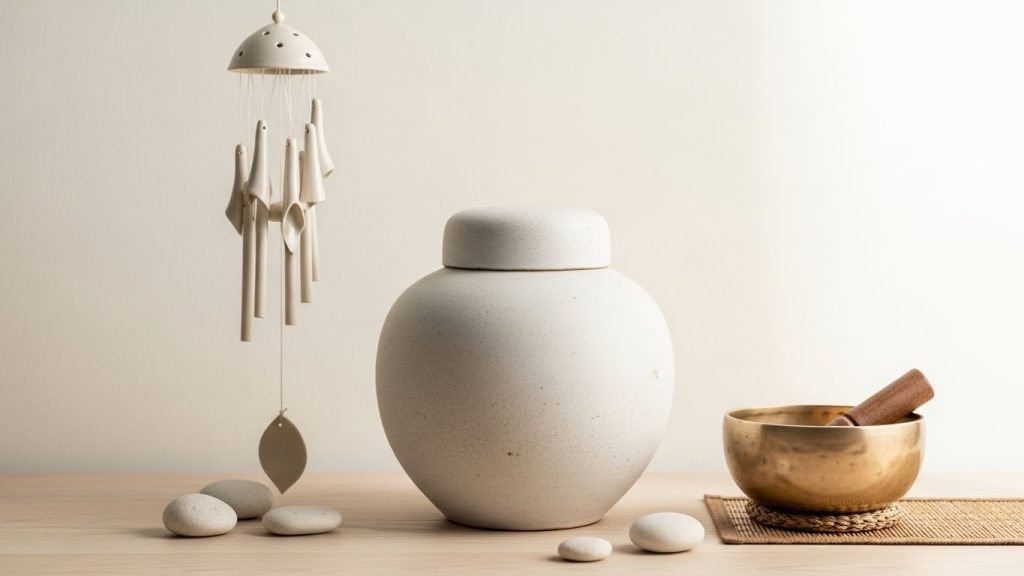
Objects with spiritual or symbolic meaning—such as moon jars, wind chimes, or singing bowls—can bring a sense of balance and calm when used with restraint.
Placed thoughtfully, these items contribute to the emotional atmosphere of a home without becoming decorative statements.
A single moon jar placed near natural light, a ceramic wind chime that moves gently with air, or a singing bowl resting quietly on a tray can support harmony and grounding energy.
When treated as part of daily life rather than decoration alone, these objects naturally align with decor that ages well.
8. Let Your Home Become a Collection Over Time
Homes filled with decor that ages well are rarely finished.
Instead of decorating all at once:
- Add pieces slowly
- Let rooms rest between changes
- Allow memories, routines, and relationships to shape the space
Objects collected over time tend to resist trends because they are connected to lived experience. This organic layering is at the heart of timeless home decor.
Why Some Decor Ages Well While Other Pieces Feel Dated Quickly
Not all decor fades gracefully. Some pieces feel better with time, while others begin to feel noisy, dated, or disposable after only a few years. The difference is rarely about price or brand. It’s about material honesty, construction, and how a piece interacts with daily life.
Decor that ages well tends to share a few quiet qualities. It’s made from materials that soften rather than degrade. It develops patina instead of wear. And it doesn’t rely on novelty to feel interesting. These pieces don’t demand attention when they’re new, which is why they continue to feel relevant over time.
When decor is chosen primarily for trend appeal, its lifespan is often short. Colors feel too specific. Finishes scratch or peel. Shapes feel tied to a moment rather than a function. In contrast, timeless decor supports everyday life without announcing itself. It blends into routines, absorbs use, and becomes familiar rather than outdated.
Understanding this difference helps shift buying decisions away from impulse and toward intention. Instead of asking whether something looks current, the more useful question becomes: How will this feel after years of use?
Final Thoughts: Quiet Choices Create Lasting Homes
Decor that ages well creates room—for living, breathing, and change.
By choosing timeless home decor that doesn’t shout, you build a space that feels grounded and resilient. These are homes that adapt, soften, and deepen over time.
In the end, the most enduring interiors are not the most dramatic. They are the ones that quietly hold life as it unfolds.