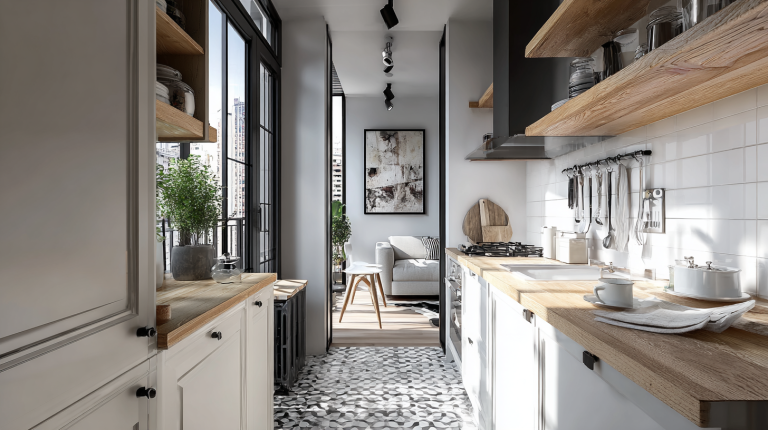
A Zara home inspired living room is not about copying a showroom, but about creating a space that feels warm, calm, and thoughtfully collected. These interiors feel collected rather than styled, using natural materials, soft colors, and subtle textures to create a sense of ease.
What makes this approach so appealing is how effortlessly it blends comfort with refinement. Nothing feels rushed or overly designed. Instead, each element — from the sofa fabric to the way light moves across the room — works together to support a slower, more thoughtful way of living.
Materials That Define the ZARA HOME Look
Natural Materials That Create Warmth

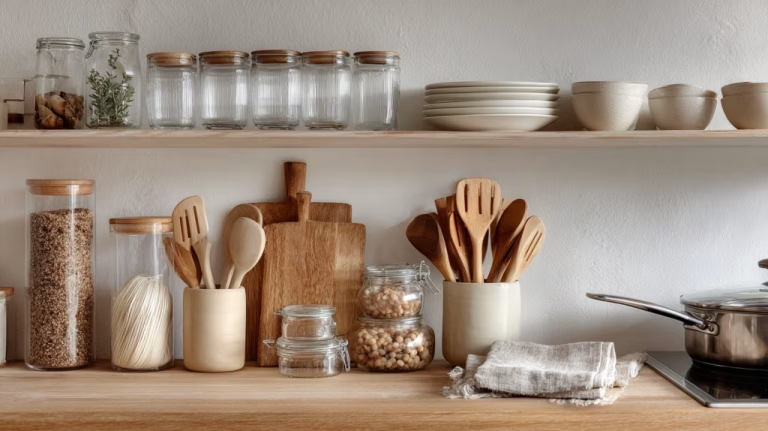
One of the most recognizable features of a ZARA HOME–inspired living room is its focus on natural materials. Linen sofas, cotton throws, stone accents, and warm-toned wood surfaces create a tactile environment that feels grounded and welcoming. These materials age gracefully, developing character over time rather than looking worn.
Linen, in particular, plays a central role. Its relaxed texture softens the space and prevents it from feeling overly polished. When paired with raw wood or lightly finished oak, the room gains warmth without becoming heavy. The result is a living room that feels lived-in, not staged — a space that invites you to sit, rest, and stay awhile.
Creating a ZARA HOME Inspired Living Room with Texture and Warmth
Layer Texture, Not Color
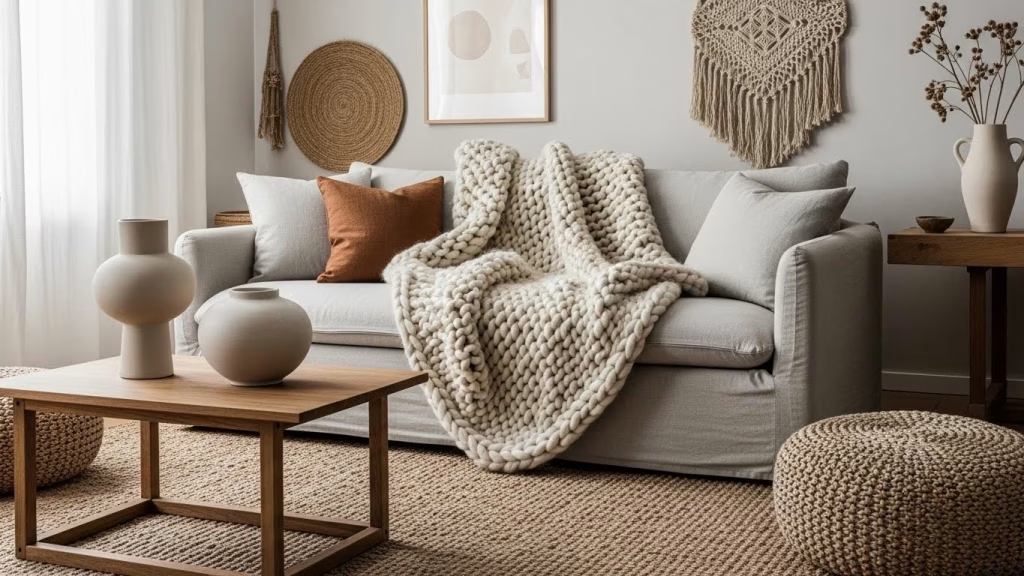
Rather than relying on bold or contrasting colors, a ZARA HOME–inspired living room is built through layers of texture. The palette stays restrained, allowing material variation to do the visual work. Linen, wool, ceramic, and stone create quiet contrast through surface, weight, and finish rather than hue.
Linen upholstery introduces softness and movement, while wool throws add warmth and depth. Ceramic objects bring a sense of handmade imperfection, and stone elements ground the space with subtle strength. When these materials are layered thoughtfully, the room feels rich and dimensional without appearing busy or overstimulating. This approach creates visual interest that remains calm, timeless, and easy to live with.
Furniture That Feels Collected, Not Styled
Choosing Furniture That Feels Timeless
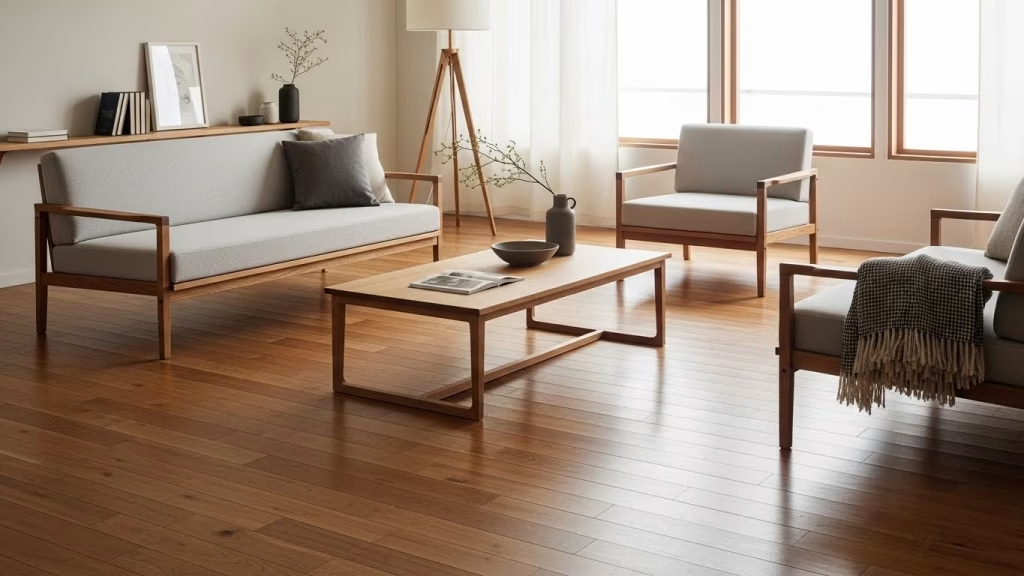
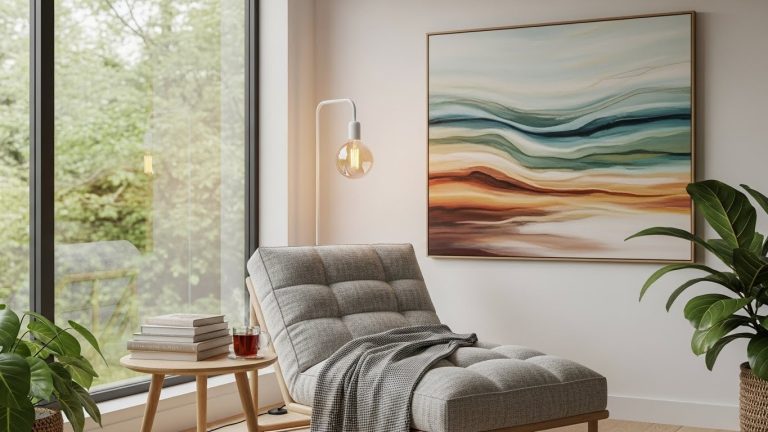
Furniture in a ZARA HOME–inspired living room is often low-profile, simple in form, and comfortable above all else. Sofas are generous but understated, chairs feel sculptural without being decorative, and tables emphasize solid craftsmanship rather than ornament.
What stands out is the absence of anything that feels overly trendy. Instead of chasing statement pieces, the focus is on balance and proportion. Each item feels chosen with intention, allowing the room to evolve slowly over time. This approach makes the space feel personal, as if it has been shaped gradually rather than assembled all at once.
Design Elements of a ZARA Home Inspired Living Room
Why This Style Feels So Calming
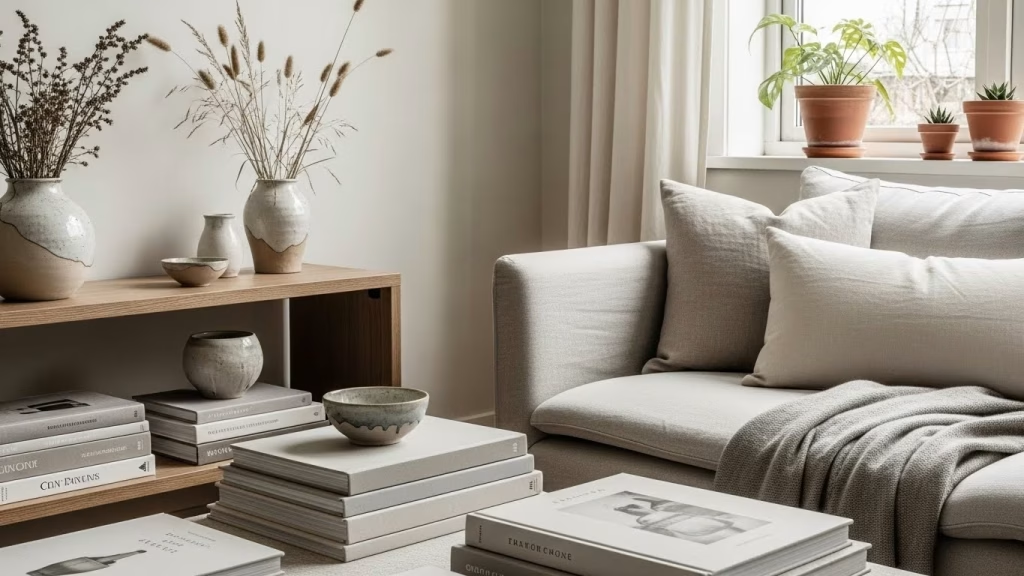
A ZARA HOME–inspired living room works because it aligns visual simplicity with emotional comfort. Soft materials, gentle colors, and thoughtful spacing reduce visual noise, making it easier to relax at the end of the day. The space doesn’t demand attention; it quietly supports rest and reflection.
In smaller homes especially, this approach can make a significant difference. By prioritizing comfort and cohesion over excess, the living room becomes a place that feels restorative — not overwhelming. This is where the connection between interior design and lifestyle becomes clear: the way a room looks directly affects how it feels to live in.
Color Palette & Light
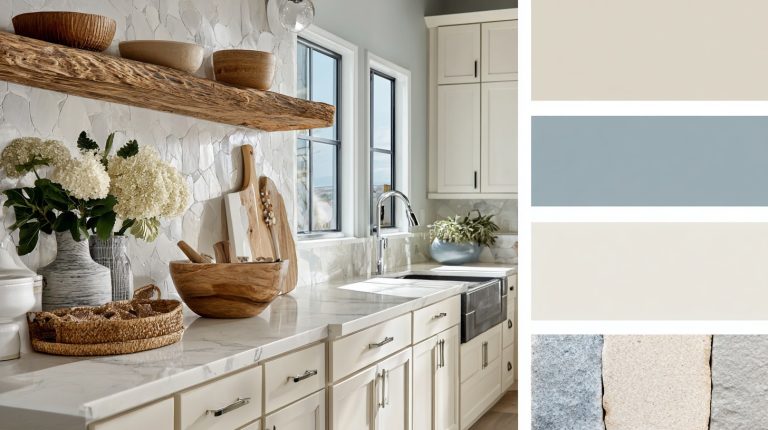
A Soft, Light-Responsive Color Palette

Zara Home styled rooms never rely on a single overhead light. The warmth you see in reference images almost always comes from two or three layered sources — a ceramic table lamp in a warm neutral tone on a side table, and a sculptural floor lamp near the sofa that adds height and softness in equal measure. For the floor lamp especially, natural materials matter — a rattan, linen shade, or warm metal arc floor lamp brings the organic quality that a plastic or chrome finish works against. A well-chosen lamp adds texture to the room even when it’s switched off, which is exactly the standard to hold every visible object to.
Get the look: building a Zara Home inspired living room
The Zara Home aesthetic is built from seven elements. You don’t need all of them at once — even three or four chosen well will shift a room noticeably toward that warm, considered feeling. Here’s what to look for and where to start.
The sofa — your most important decision
Everything else in the room responds to the sofa, which makes fabric and tone the most important choices you’ll make. A linen or linen-blend sofa in warm white, natural, or soft taupe is the closest you’ll get to the Zara Home foundation piece. If a full sofa isn’t in the budget, a linen slipcover over an existing sofa achieves the same effect at a fraction of the cost. Look for relaxed, slightly rumpled texture rather than crisp or structured fabric — the ease is the point.
The rug — where warmth starts
A natural fiber rug in jute, wool, or a wool-cotton blend grounds the room and introduces the organic texture that defines this aesthetic. Avoid anything with a bold pattern or high sheen — the rug should feel like something that’s always been there. A large size matters more than most people expect: if the rug doesn’t extend under the front legs of the sofa and chairs, the seating area will feel disconnected from the floor.
Throws and cushions — the texture layer
This is where the room gains depth without gaining color. A chunky wool or waffle-weave throw draped loosely over the arm of the sofa adds warmth and a lived-in quality that no amount of styling can fake. For cushions, look for linen cushion covers in tones that sit within two shades of your sofa — warm white on natural linen, soft taupe on cream. Mixing two textures in the same tone family — a smooth linen next to a ribbed cotton — creates the quiet contrast this aesthetic relies on.
Ceramic and stone objects — the decorative anchors
Zara Home interiors almost always include at least one handmade-feeling ceramic object — a ribbed ceramic vase, a stoneware bowl, or a textured candle holder. These pieces do the work that color would do in a bolder interior: they catch the eye without demanding it. A marble or stone tray on the coffee table serves the same purpose while also organizing smaller objects. Choose pieces with slight imperfections in finish or form — perfectly uniform objects work against the collected feeling this aesthetic depends on.
Wood surfaces — warmth without weight
Low-profile furniture in lightly finished or natural oak keeps the room feeling warm without becoming heavy. If you’re not replacing furniture, a solid wood serving board or wooden decorative tray on the coffee table introduces the material in a small, affordable way. The grain and warmth of real wood does something no painted or laminate surface can — it makes the objects around it look more considered by association.
Candles and scent — the finishing layer
The final element is one most styling guides skip entirely. Zara Home interiors engage more than just sight — a pillar candle in a neutral wax tone or a ceramic diffuser with a clean, woody scent completes the sensory environment the room is building toward. This connects directly to the broader idea of sensory home design — if you want to go deeper on that, our post on sensory home design covers how texture, scent, and sound work together to create a calm interior.
Closing Thought
Creating a ZARA HOME–inspired living room isn’t about perfection or matching a catalog image. It’s about choosing materials, colors, and forms that feel right for the way you live. When a space is designed with intention and restraint, it naturally becomes more personal, more timeless, and more calm. This approach connects closely to the ideas explored in What Makes a Home Feel Calm.