A calm home is more than something we see.
Sensory home design focuses on how a home feels—not just how it looks—by using texture, scent, and sound to create a calm, mindful interior. It is something we feel under our hands, breathe in quietly, and hear—often without noticing.
When a space feels truly restorative, it’s rarely because of color alone. It’s because the textures invite touch, the scent feels familiar and grounding, and the sounds soften the edges of the day. A sensory home doesn’t overwhelm the senses—it gently supports them.
In our earlier exploration of what makes a home feel calm in everyday life , we looked at how small design choices shape emotional comfort. In this post, we go beyond the visual and explore the invisible layers of home—texture, scent, and sound—and how they work together to create a mindful interior that feels safe, personal, and quietly alive.
Why Sensory Home Design Matters
Modern life is visually loud. Screens, signage, and constant input train us to prioritize appearance over experience. But at home, the nervous system responds first to sensory cues, not aesthetics.
- Soft textures lower physical tension
- Gentle scents influence mood and memory
- Balanced sound reduces stress and mental fatigue
Interior designers often emphasize the importance of layered textures and soft materials in creating emotionally comfortable spaces, a principle frequently discussed in publications like Architectural Digest.
Designing with the senses in mind creates a home that doesn’t just look peaceful—it feels grounding.

1. Texture: Designing Through Touch
Texture is often underestimated in interiors, yet it has one of the strongest emotional impacts. Our sense of touch is a direct connection to our environment, constantly sending signals of comfort or alertness.
Layer Natural, Tactile Materials
Human hands instinctively respond to natural textures. Materials with slight irregularities signal safety and authenticity.
Consider incorporating:
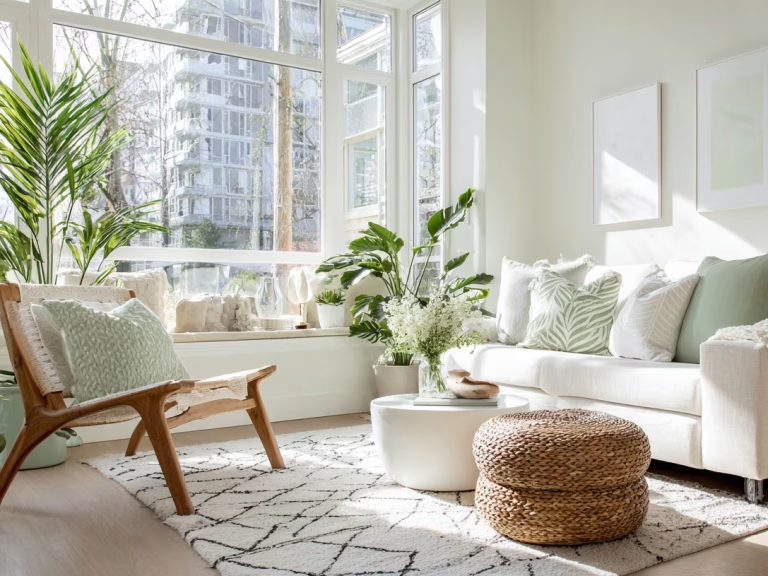
- Linen curtains that move softly with air
- Wool or cotton throws with an imperfect weave
- Wooden surfaces with visible grain
- Ceramic pieces with matte or handmade finishes
These materials introduce subtle friction—reminding us that not everything needs to be smooth or polished.
Contrast Soft and Structured
Mindful texture is about balance. Pair softness with structure to create interest without visual noise.
Examples:
- A plush sofa against a textured plaster wall
- A smooth wooden table with woven chairs
- Crisp cotton bedding layered with a heavy knit blanket
A Mindful Habit
At the end of the day, pause for ten seconds. Notice the texture beneath your feet or the fabric supporting your body. This small act of sensory checking-in gently pulls attention back to the present moment.

2. Scent: The Invisible Layer of Home
Scent is the only sense directly linked to the limbic system—the part of the brain responsible for emotion and memory. This makes it a powerful, often overlooked design tool.
Create Scent Zones
Just as homes have functional zones, they can have emotional ones.
- Living room: warm, grounding notes like sandalwood or cedar
- Bedroom: calming scents such as lavender, chamomile, or clean linen
- Entryway: subtle freshness—bergamot, eucalyptus, or green tea
Consistency helps the brain associate each space with a specific feeling.
Choose Low-Intensity, Non-Toxic Options
Mindful scent should be noticed only when you pause. Avoid overpowering artificial fragrances.
Better choices include:
- Essential oil diffusers (used lightly)
- Soy or beeswax candles
- Dried herbs, flowers, or citrus peels
- Linen sprays or wooden scent blocks
This aligns naturally with a healthier home philosophy, especially when paired with non-toxic kitchen and lifestyle choices.
Let Scent Mark Transitions
Lighting a candle during an evening reset or refreshing linens in the morning creates sensory rituals that signal time passing—helping the body shift from work to rest, day to night.

3. Sound: Shaping the Quiet
Sound is often treated as something to eliminate, but complete silence can feel empty. A sensory home shapes sound intentionally.
Soften Harsh Noise
Hard surfaces reflect sound, creating sharp echoes that raise stress levels.
To soften a space:
- Add rugs or fabric wall hangings
- Use curtains instead of bare windows
- Introduce upholstered furniture
- Place bookshelves along echo-prone walls
These elements act as natural sound absorbers, making rooms feel more intimate.
Invite Gentle, Consistent Sound
Rather than silence, introduce subtle auditory layers:
- Soft instrumental music
- Ambient nature sounds (rain, wind, ocean)
- A small indoor fountain
- The quiet hum of a fan
This is especially helpful in shared or small spaces, such as home offices.
Honor Natural Sounds
Open a window when possible. Let in birds, wind, or distant city life. A mindful interior doesn’t block the world—it filters it gently.

4. Curating a Calm Visual Flow
Although this post focuses on non-visual senses, the eyes still need rest.
Mindful interiors prioritize low-contrast beauty—decor that doesn’t shout.
- Muted, layered colors support emotional calm, as explored in our post on how color shapes mood
- Diffused natural light mimics outdoor rhythms and supports circadian balance
- Fewer visual interruptions allow the senses to work together harmoniously

5. The Five-Minute Sensory Reset
Even the most thoughtfully designed home needs maintenance. A sensory reset is a simple habit that keeps the atmosphere supportive.
- Clear the visuals: Reset one surface
- Freshen the air: Open a window for five minutes
- Audit the sound: Turn off background noise and enjoy one quiet minute
These small actions help your home feel lighter—without buying anything new.
A Home That Listens Back
The most comforting homes don’t focus on one sense alone. They layer texture, scent, and sound in quiet harmony.
A sofa feels soft.
The air smells faintly familiar.
The room sounds calm—even when nothing is happening.
This is when the body finally exhales.
Creating a sensory home isn’t about perfection or accumulation. It’s about attention. When we design with the senses in mind, home becomes less about style—and more about care.
Start with one sense this week. Notice how the weight of your home begins to lift.