Make a home feel inviting doesn’t require buying new furniture or redecorating from scratch. Often, small shifts in how we use what we already have can completely change how a space feels. A home can be clean, well-decorated, even recently renovated—and still feel strangely uninviting.
Not uncomfortable exactly. Just… not a place you naturally want to linger.
This disconnect is more common than people realize. And it rarely has anything to do with budget, furniture, or missing decor.
What makes a home feel inviting is often not what you add—but what you adjust.
This post looks at the subtle, everyday elements that shape how a space feels to live in, not just how it looks. No shopping list. No makeover. Just thoughtful changes that work with what you already have.
Inviting Homes Are About Movement, Not Styling
When people describe an inviting home, they rarely talk about individual objects.
They talk about how the space feels when they enter it.
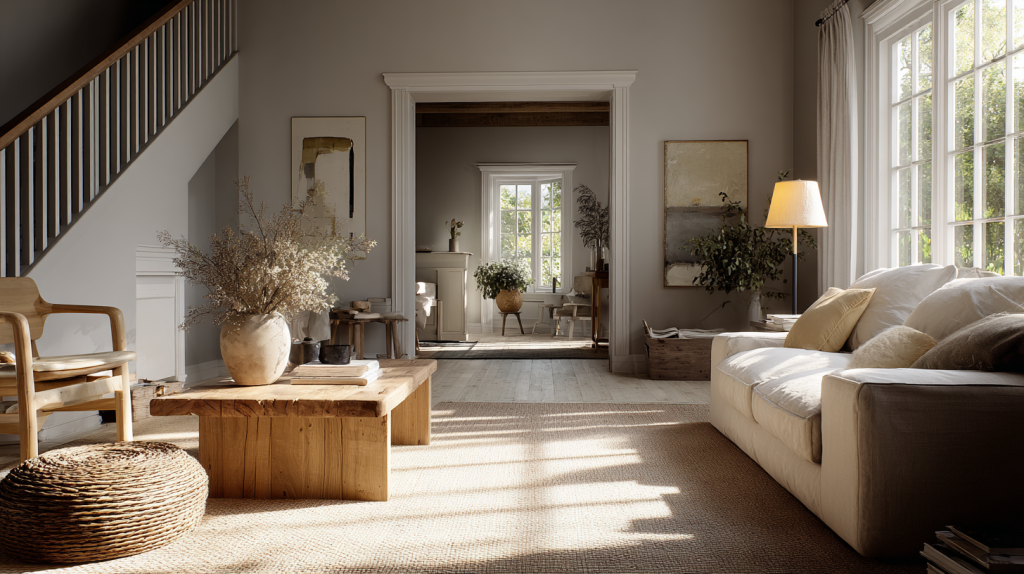
That feeling usually comes from how easily the body moves through the space.
- Can you walk without weaving around furniture?
- Do doors and drawers open fully?
- Does your eye know where to rest?
If movement feels slightly awkward, the room never quite relaxes—even if it’s beautifully styled.
Try this instead:
Stand at the entrance of a room and walk through it slowly. Notice where you hesitate, sidestep, or subconsciously adjust your pace. These moments reveal far more than any mood board.
Often, simply shifting a chair a few inches or removing one unnecessary item from a pathway makes a space feel immediately more welcoming.
Furniture Spacing Matters More Than Furniture Style
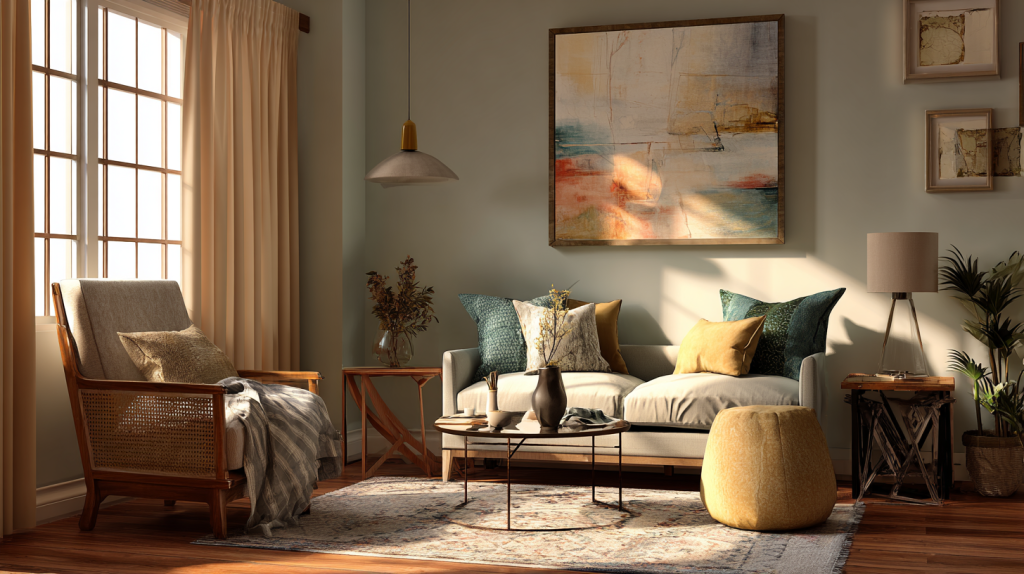
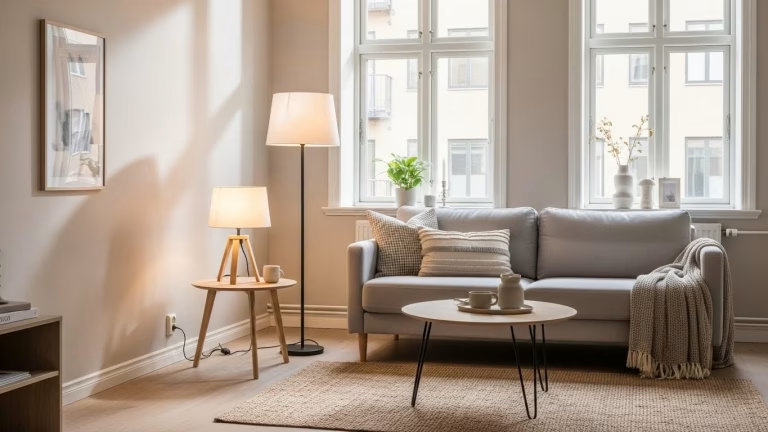
One of the most common reasons a home feels uninviting is furniture placed too close together—or too far apart.
When pieces are crowded, the room feels tense.
When everything is pushed to the edges, the space feels oddly empty and unresolved.
Inviting rooms tend to have clear but gentle relationships between objects.
- A sofa and chair close enough to suggest conversation
- A coffee table within easy reach, not floating
- Side tables that support how the room is actually used
This isn’t about symmetry or rules. It’s about whether the space supports natural behavior.
If you have to reach, twist, or adjust yourself every time you sit down, the room quietly asks too much of you.
Eye-Level Calm Is Often Overlooked
People spend a lot of time decorating shelves and floors, but what happens at eye level often determines whether a room feels calm or busy.
At eye level, too many competing elements can create visual fatigue—even if each item is beautiful on its own.
Take a moment to notice:
- How many frames, shelves, or objects compete for attention at the same height
- Whether your eye jumps around the room instead of settling
Inviting spaces usually have one or two clear focal points, not many small ones fighting for notice.
This doesn’t mean removing personality. It means letting certain areas breathe so others can speak. These subtle changes help make a home feel inviting by improving flow, comfort, and emotional warmth rather than focusing on decoration alone.
Light Placement Shapes Mood More Than Brightness
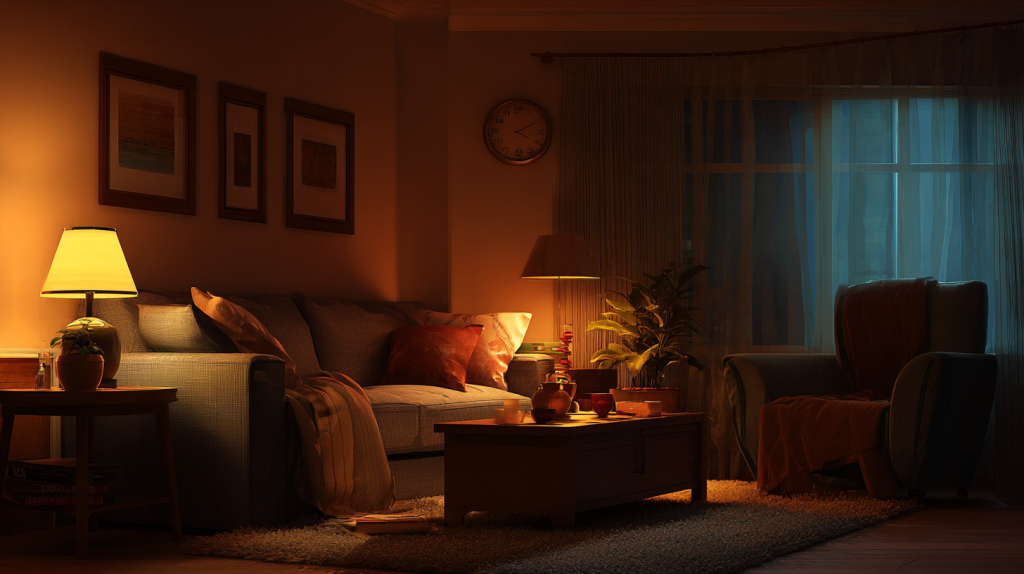
A space can be bright and still feel uninviting.
That’s because brightness alone doesn’t create comfort—placement does.
Light that comes only from above tends to flatten a room. It illuminates everything equally, but without warmth or depth.
Inviting homes often rely on:
- Light at different heights
- Softer sources closer to where people sit or move
- Shadows that add depth rather than erase it
Even without adding new lighting, you can experiment by:
- Turning off overhead lights in the evening
- Using existing lamps more intentionally
- Adjusting when certain lights are used throughout the day
The goal isn’t dimness—it’s balance.
If you’re working with a tight budget, you may also find helpful ideas in our post on affordable lighting solutions for small spaces, where lighting placement plays a major role in making rooms feel welcoming.
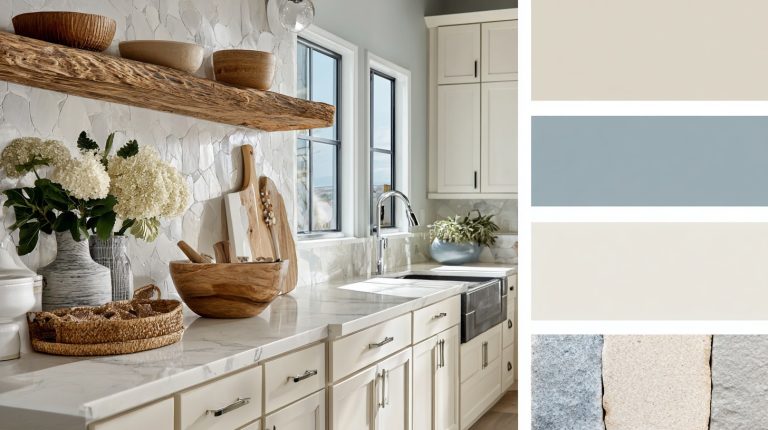
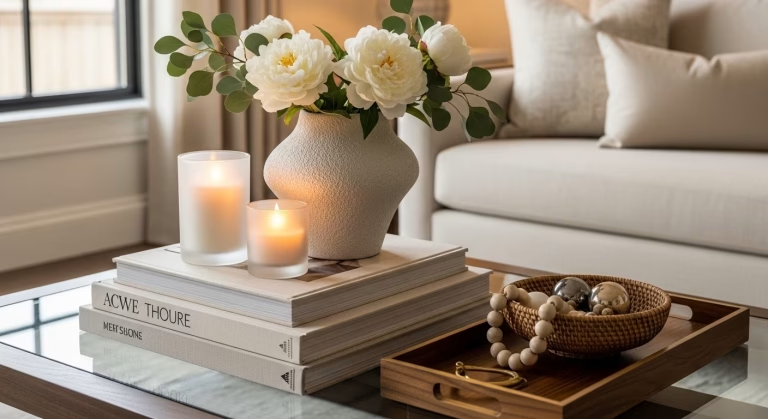
Texture Creates Comfort Without Decoration
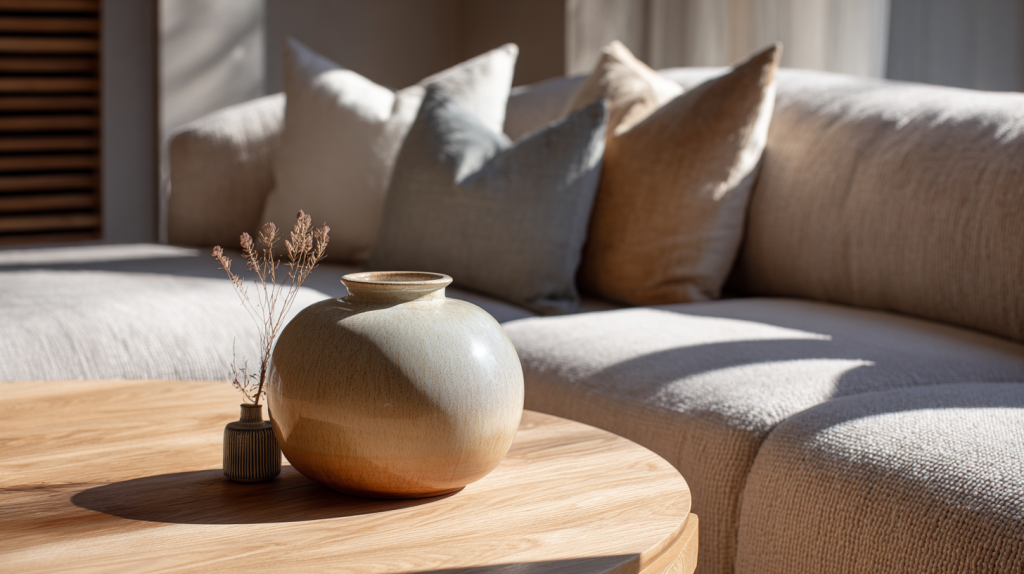
Rooms that feel welcoming often have something in common: varied textures.
Not decorative textures, but tactile ones.
- Fabric that softens a hard surface
- Wood that warms a cool space
- Worn materials that absorb light instead of reflecting it
If a room feels visually cold or slightly sterile, it’s often because too many surfaces behave the same way—smooth, shiny, or rigid. For practical organization tips that support a calmer home, see our guide on eco-friendly kitchen organization ideas.
You don’t need to add anything new to notice this.
Look at what you already have and ask:
- Is everything hard?
- Is everything smooth?
- Does anything invite touch?
Even small adjustments—like moving a textile from one room to another—can shift the atmosphere.
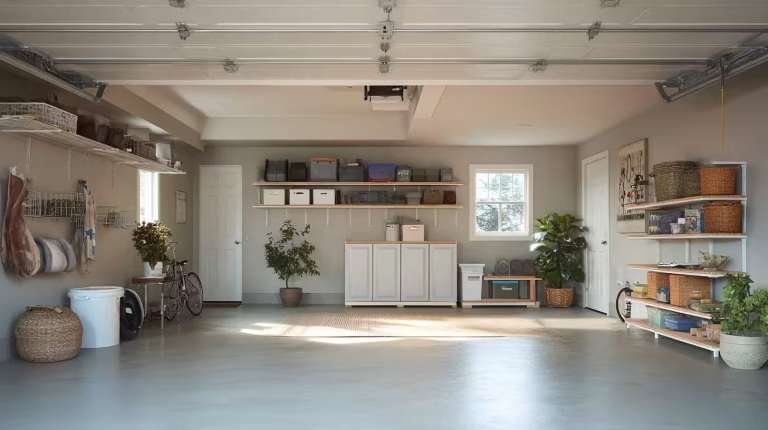
Negative Space Is Not Empty Space
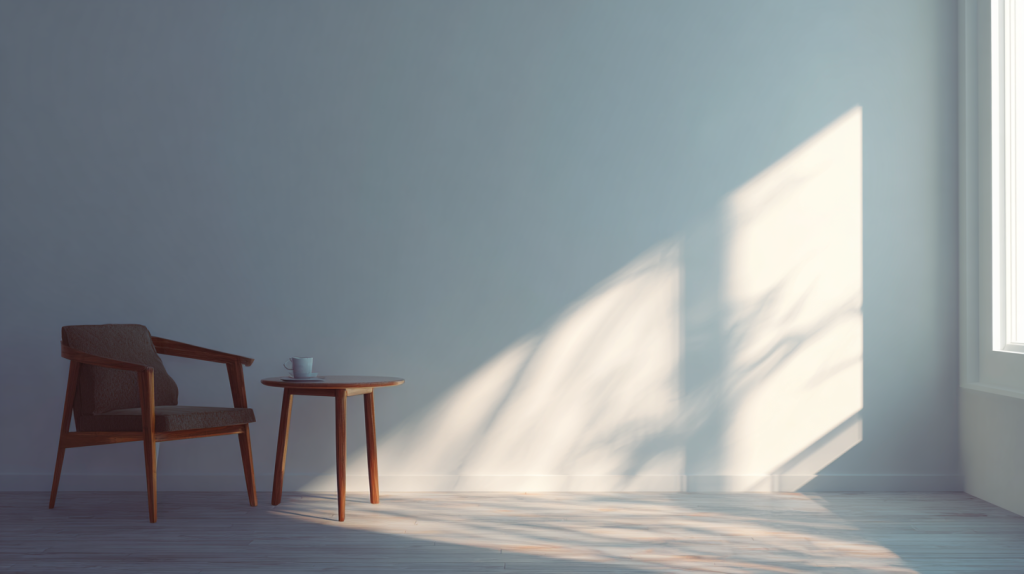
One of the hardest habits to break is the urge to “fill” every surface.
But inviting homes tend to respect negative space—areas where nothing is placed, on purpose.
These spaces give the eye a place to rest and allow the objects that remain to feel more intentional.
Instead of asking:
“What should I put here?”
Try asking:
“What happens if I leave this empty?”
Very often, the room answers immediately. According to research shared by Psychology Today, visual clutter can increase stress and reduce our ability to relax at home.
Daily Rituals Reveal What Actually Needs Attention
If you’re unsure where to start, pay attention to moments you repeat every day.
- Making coffee
- Entering the home
- Getting ready in the morning
- Sitting down at night
Inviting homes support these rituals quietly.
Uninviting ones create small frictions you’ve learned to ignore.
Notice where you feel rushed, cramped, or slightly annoyed. These moments are not personal failures—they’re design signals.
And they’re usually solved with adjustment, not acquisition.
An Inviting Home Is One That Asks Less of You
Ultimately, an inviting home isn’t impressive.
It doesn’t perform.
It simply allows you to move, rest, and live without resistance.
When a space feels right, you don’t notice it constantly.
You just stay longer.
And more often than not, that feeling comes not from what you bring in—but from what you understand, shift, or let go. Ultimately, to make a home feel inviting, it’s less about what you own and more about how intentionally you arrange and use your space.
Final Thought
Before buying anything new, try listening more closely to how your home already works.
The most meaningful changes are often the quiet ones.