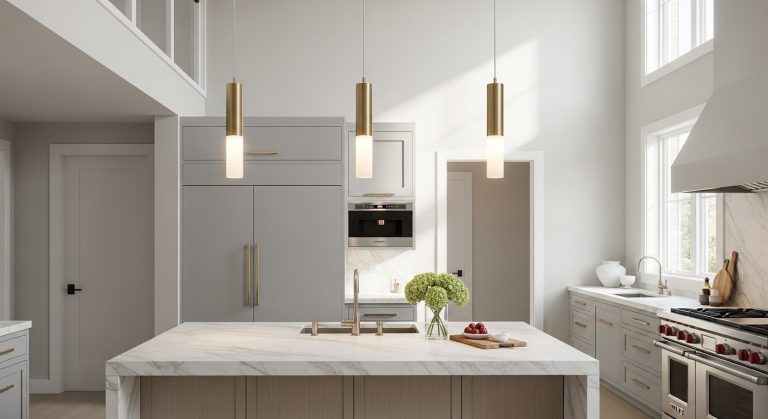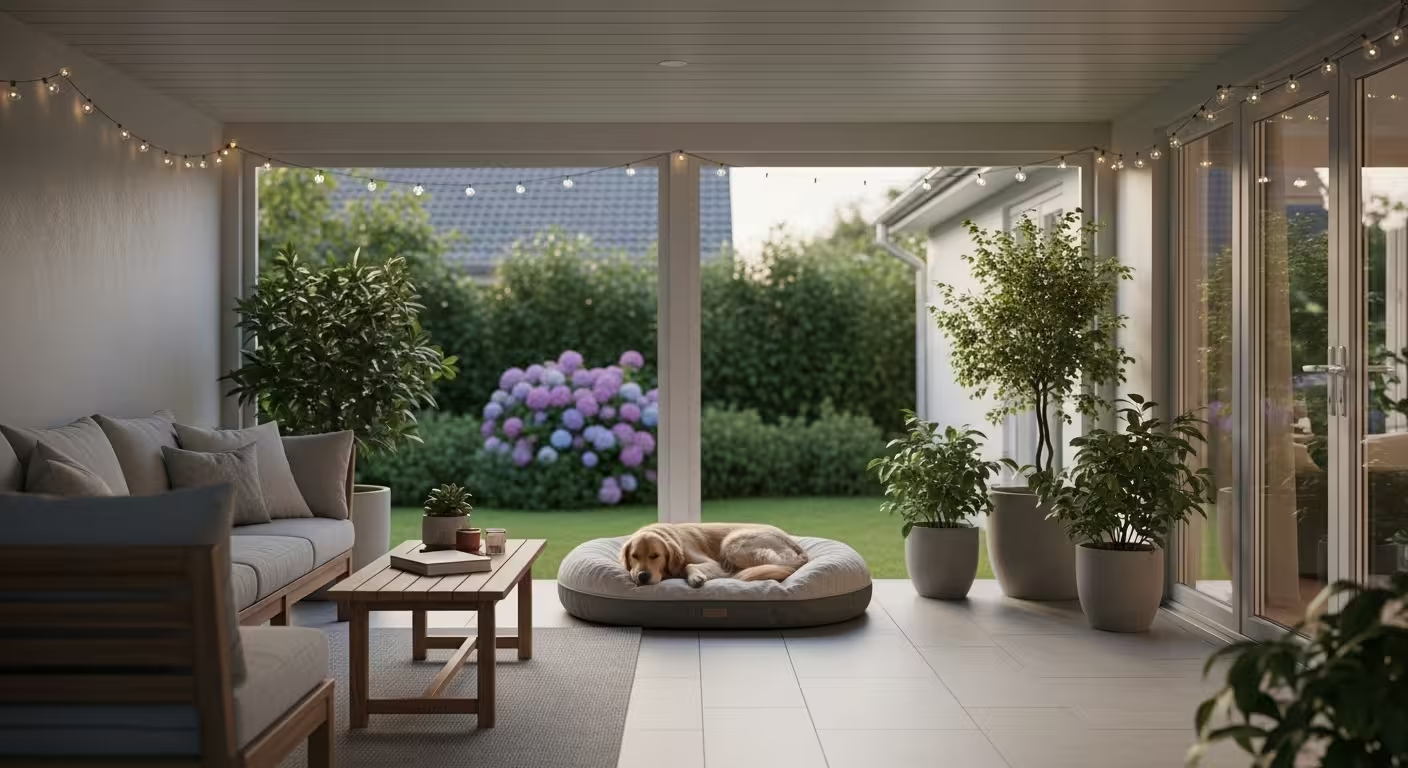
Practical lighting ideas can completely transform garages, covered patios, and transition spaces by improving safety, visibility, and everyday comfort. Lighting plays a much bigger role in these areas than we often realize. In work zones and indoor-outdoor spaces, the right lighting determines whether a space feels usable and secure — or dim and neglected.
Rather than starting with fixture styles or decorative trends, this guide focuses on practical lighting choices that support how these spaces are actually used. From task lighting in garages to soft, indirect light in covered patios, thoughtful lighting design can make transitional areas feel more connected to daily life.
Thoughtful lighting becomes even more effective when it’s planned as part of a larger outdoor strategy, especially in spaces like garages and patios that support daily routines, as discussed in our guide to making good use of the garage and other outdoor areas.
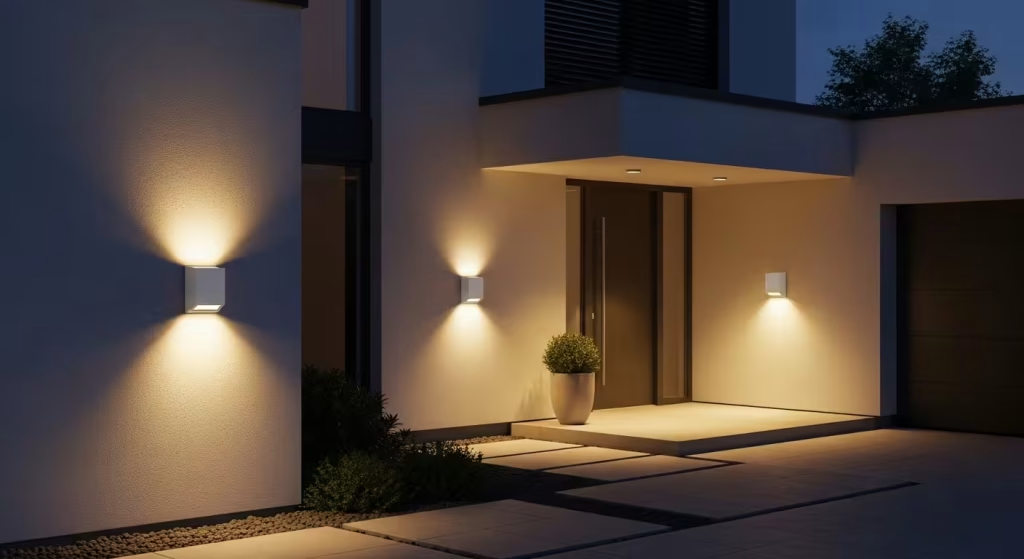
Why Practical Lighting Ideas Should Prioritize Function First
In interior-adjacent outdoor spaces, poor lighting quickly reveals itself. Shadows hide storage areas, glare makes tasks uncomfortable, and single overhead fixtures leave corners unused. When lighting is planned primarily for appearance, these problems are common.
Functional lighting prioritizes:
- Visibility where tasks happen
- Even distribution rather than brightness alone
- Comfort for eyes adapting between indoor and outdoor light
When these needs are met, style becomes easier to layer in later. In garages especially, practical lighting ideas reduce shadows and improve daily usability.
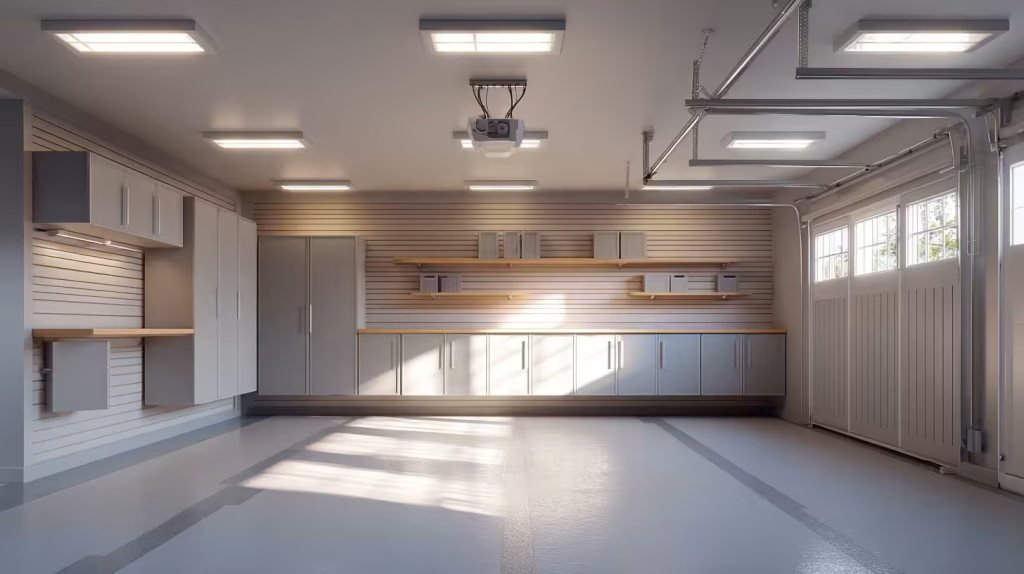
Practical Lighting Ideas for Garages: Task, Safety, and Movement
Garages serve multiple roles — storage, entry point, workspace, and passageway. Lighting must respond to all of these uses.
Use Multiple Light Sources
Relying on one ceiling fixture often creates deep shadows along walls and shelving. Instead, combine:
- Overhead lighting for general visibility
- Task lighting near work surfaces or storage zones
- Supplemental wall-mounted lights to reduce contrast
This layered approach improves safety and reduces eye strain.
Focus on Where Work Actually Happens
Lighting should follow activity, not symmetry. If tools, storage, or daily tasks cluster on one side of the garage, lighting should be stronger there.
Avoid placing all lights at the center of the space. Evenly distributed light supports movement and makes the garage feel more open.
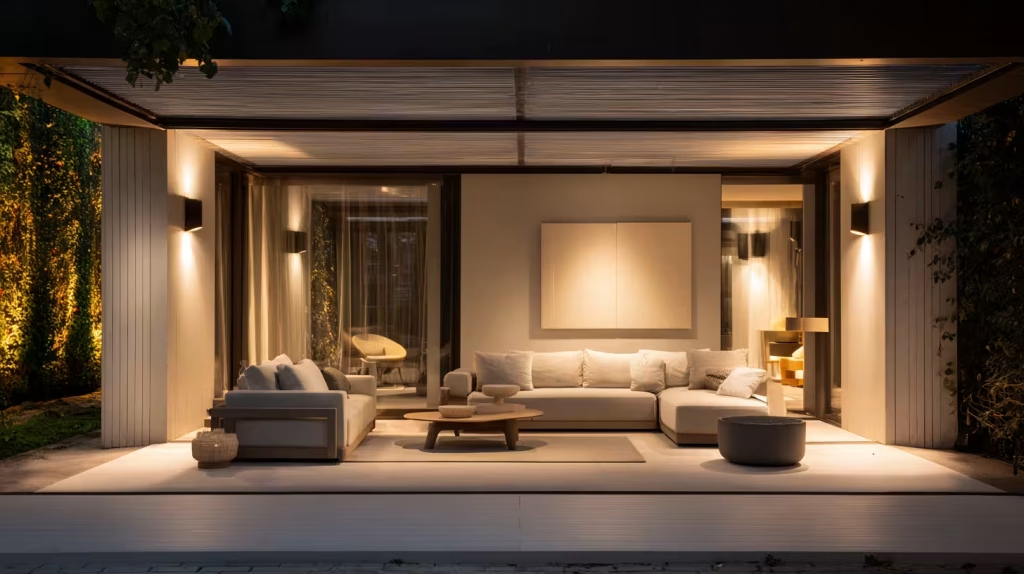
Covered Patio Lighting: Soft, Indirect, and Inviting
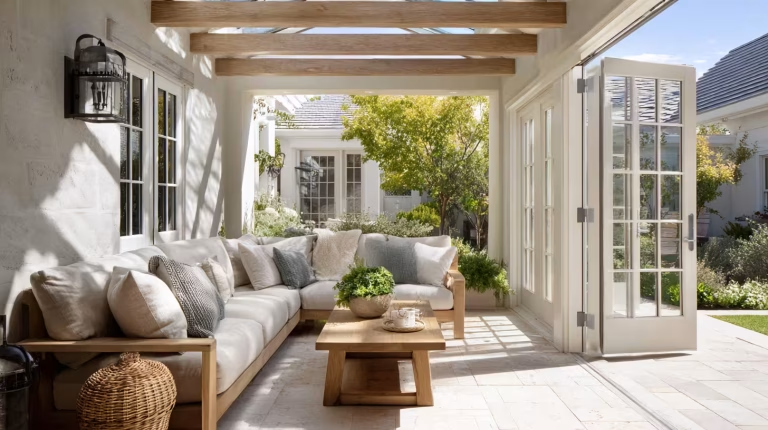
Covered patios benefit from lighting that feels closer to interior spaces than exterior floodlights. The goal is to extend usability without overpowering the space.
Covered patios often function best as transitional zones, and lighting plays a key role in maintaining that balance, which we explore further in our article on covered patio ideas that create a calm transition between indoor and outdoor living.
Avoid Harsh Overhead Fixtures
Bright, exposed bulbs can create glare and flatten the atmosphere. Instead, consider:
- Wall-mounted lights with warm tones
- Shielded fixtures that direct light downward
- Multiple low-intensity sources rather than one bright point
Soft lighting supports relaxation and transition.
Support Multiple Uses
Covered patios often serve different purposes throughout the day — morning quiet, afternoon shade, evening pause. Lighting should adapt to these shifts.
Dimmable fixtures or layered lighting allow the space to feel appropriate at different times without reconfiguration.
Transitional Spaces: Helping Eyes Adjust
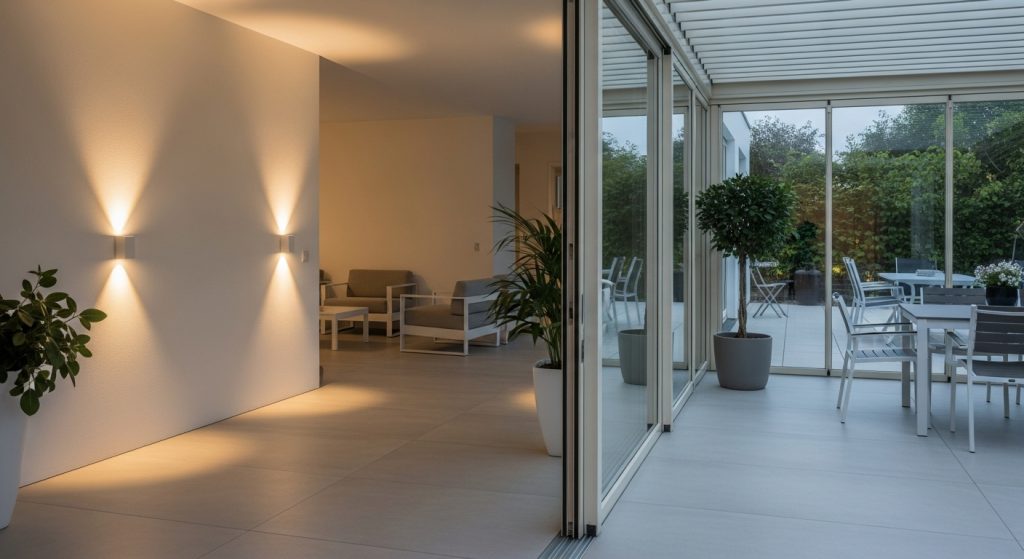
Spaces between indoor and outdoor environments place unique demands on lighting. Moving from bright sunlight to dim interiors — or the reverse — can feel uncomfortable when lighting is poorly planned. Thoughtful practical lighting ideas help the eye adjust between indoor and outdoor brightness levels.
Transitional lighting should:
- Reduce sharp contrast
- Guide movement rather than spotlight features
- Provide consistent illumination along paths
This applies to covered patios, garage entries, and doorways that connect living spaces to the outdoors.
Lighting for Safety and Pets
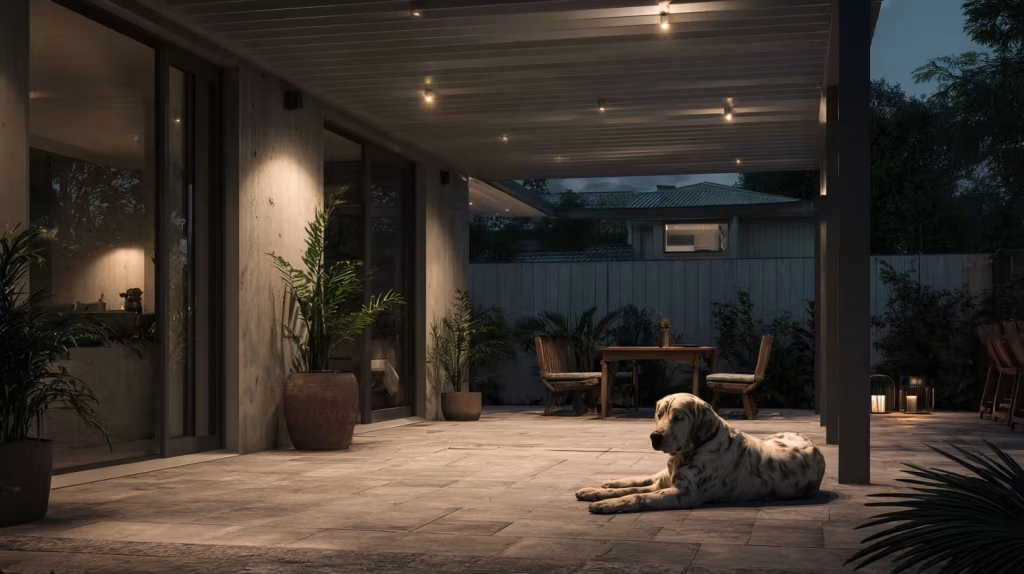
For households with pets, lighting affects more than visibility. Animals are sensitive to glare, sudden brightness, and dark obstacles.
Practical considerations include:
- Even lighting to prevent missteps
- Avoiding floor-level glare
- Ensuring shaded areas remain softly lit
In outdoor areas used after sunset, lighting should also work alongside safe ground surfaces, especially in pet-friendly homes, which is why material choices like turf matter just as much as visibility, as explained in tips for choosing the right artificial turf for your home.
Well-planned lighting helps pets move confidently and rest comfortably in shared spaces.
Energy Efficiency Without Compromise
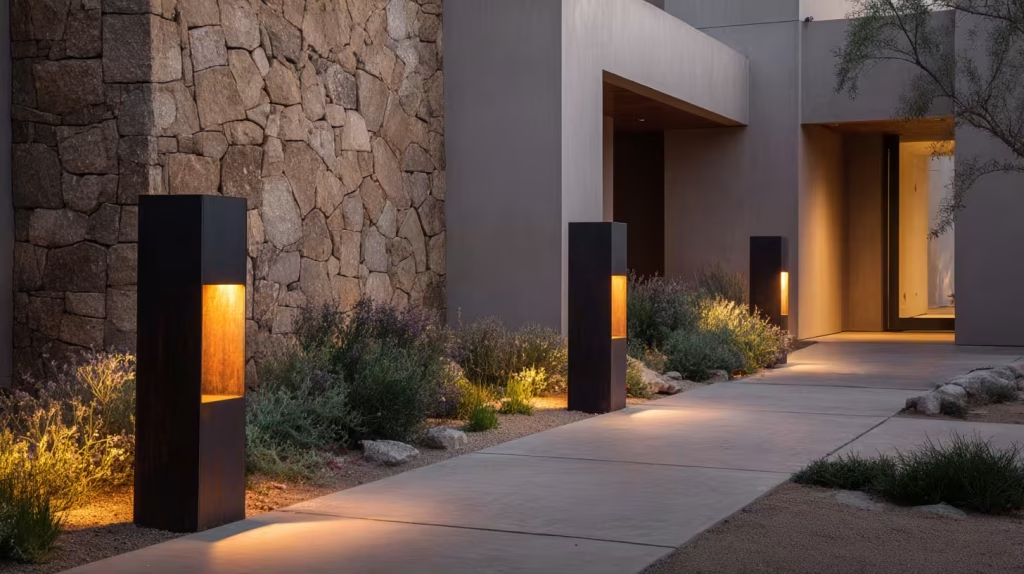
Functional lighting does not need to increase energy use. In fact, thoughtful placement often reduces the need for excessive brightness.
Efficient choices include:
- LED fixtures with appropriate color temperature
- Motion sensors in low-use areas
- Timers for outdoor-adjacent spaces
Efficiency supports sustainability without sacrificing usability. For guidance on selecting energy-efficient fixtures and understanding LED performance, the U.S. Department of Energy’s LED lighting guide offers clear recommendations for residential spaces.
Common Lighting Mistakes to Avoid
Certain lighting choices repeatedly undermine functional spaces:
- A single overhead fixture for large areas
- Cold, overly bright bulbs in transition zones
- Lights placed for symmetry rather than use
Avoiding these mistakes often improves a space more than adding new fixtures.
Lighting as Quiet Infrastructure
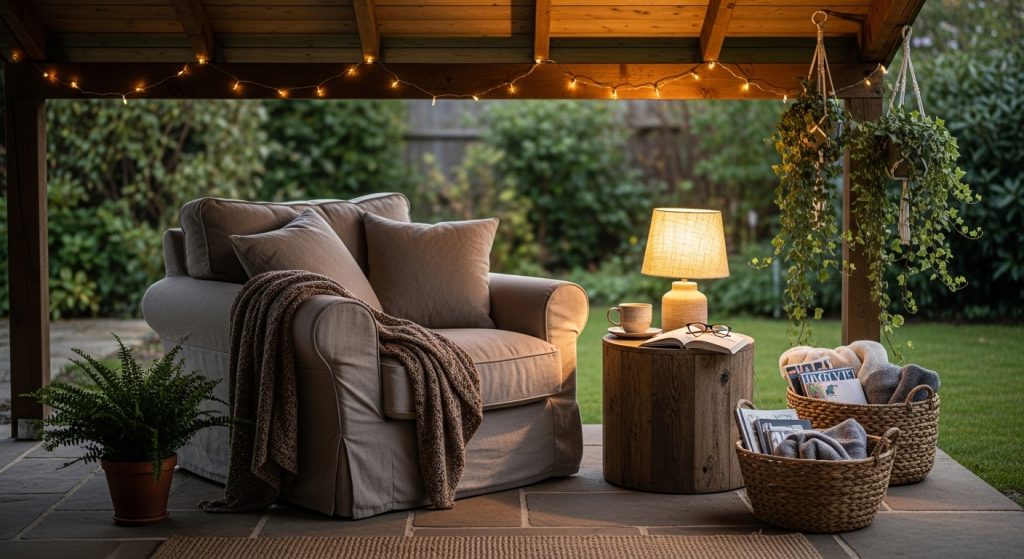
Good lighting rarely draws attention to itself. Instead, it supports movement, safety, and comfort in subtle ways. When lighting is planned with function first, spaces like garages and covered patios become easier to use and more naturally integrated into daily life. Style can follow — but function sets the foundation.
For more inspiration on functional and stylish illumination, check out our guide to home lighting ideas